Author: hmsadmin

  • The End of Lagging Logistics: Why Cloud-Based Transport Management Systems Reign Supreme

    The End of Lagging Logistics: Why Cloud-Based Transport Management Systems Reign Supreme

    The End of Lagging Logistics: Why Cloud-Based Transport Management Systems Reign Supreme

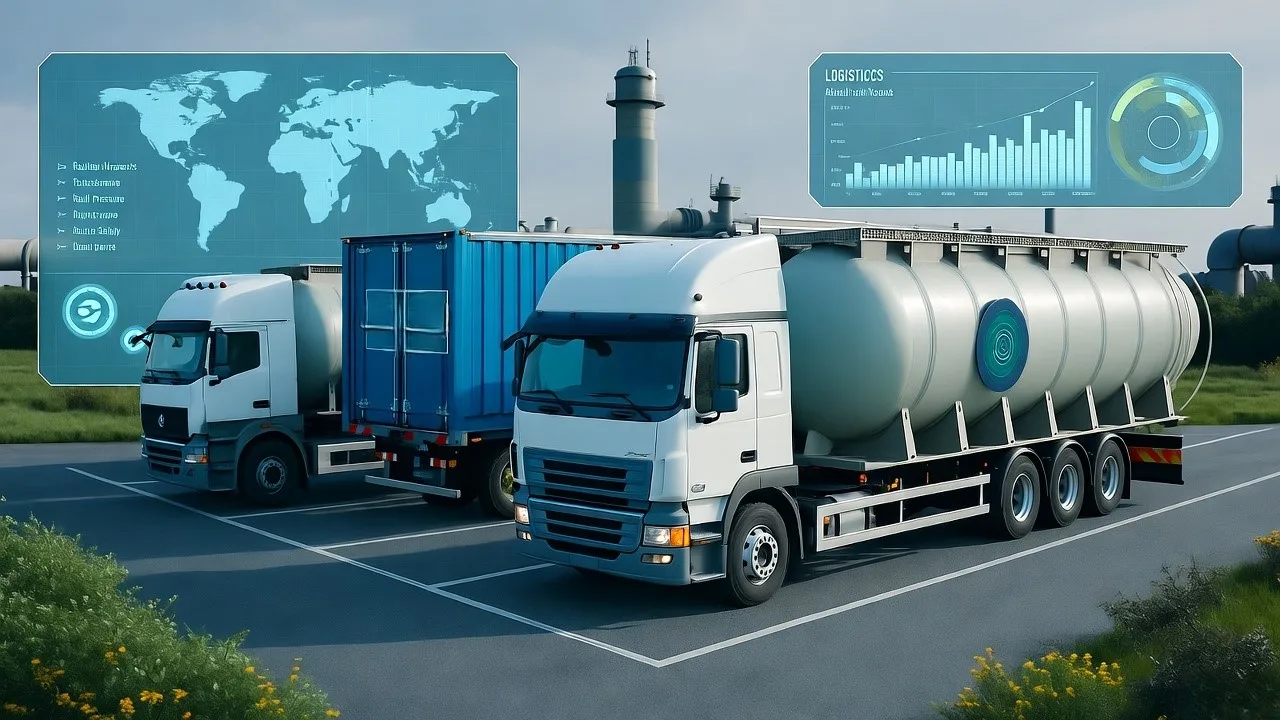
    In the relentless world of supply chain management, transportation remains the single largest cost center and the most complex variable. Traditional logistics, shackled by outdated on-premise software, suffered from slow upgrades, siloed data, and crippling upfront investment. This friction directly translates into lost margins, late deliveries, and customer dissatisfaction.

    Today, the most agile and profitable companies are operating on a new digital standard: the Cloud-Based Transport Management System (TMS).

    Moving your TMS to the cloud is more than just an IT migration; it’s a fundamental commercial transformation. It replaces rigid, capital-intensive infrastructure with a flexible, subscription-based model that scales instantly, updates continuously, and connects globally. A cloud-based TMS is the strategic engine that drives down costs, guarantees operational resilience, and delivers the real-time certainty customers demand. It is the non-negotiable tool for achieving competitive advantage in the modern freight market.

    The Fatal Flaws of Yesterday’s TMS

    To appreciate the power of cloud-based TMS, consider the costly limitations of its predecessor, the on-premise system:

    1. Massive CapEx Barrier: Traditional systems required huge upfront investments in servers, software licenses, and specialized infrastructure, tying up cash that could have been used for fleet expansion or inventory.
    2. Stagnant Innovation: Upgrading was a monumental, costly project involving specialized IT teams and lengthy downtime. As a result, companies often ran on obsolete software, unable to leverage crucial modern features like AI-driven optimization or real-time visibility.
    3. Data Silos and Accessibility: Data was trapped on local servers, making it difficult to share in real-time with remote drivers, 3PL partners, or global teams. This fragmentation stalled decision-making and amplified communication errors.

    The Cloud-Based TMS Advantage: Commercial ROI Delivered

    A cloud-based transport management system eliminates these limitations, delivering immediate and measurable Return on Investment (ROI) across the organization.

    1. Financial Agility: Shifting from CapEx to OpEx

    The single most attractive commercial feature is the financial model.

    • Reduced Upfront Costs: Cloud TMS operates on a Software as a Service (SaaS) subscription model. This converts a massive upfront capital expenditure (CapEx) into a predictable, manageable operating expense (OpEx).
    • Lower Total Cost of Ownership (TCO): The vendor manages all hardware, security, maintenance, and updates. This eliminates the need for a dedicated in-house IT team for system upkeep, drastically lowering long-term administrative costs.

    2. Instant Scalability and Global Accessibility

    The cloud environment provides the flexibility needed to handle volatility—from peak shipping seasons to unexpected global disruptions.

    • Elastic Capacity: Whether your volume doubles during the holidays or you suddenly need to enter a new market, the cloud-based system can instantly scale computing resources without purchasing new hardware, ensuring performance never lags.
    • Anywhere, Anytime Access: Authorized users can securely access the full TMS functionality via a web browser or mobile app, anywhere in the world. This is crucial for dispatchers, remote sales teams, and drivers, ensuring true 24/7 operations and real-time collaboration.

    3. Continuous Innovation and Predictive Power

    Cloud platforms are built for speed and intelligence, ensuring your system is always cutting-edge.

    • Automatic Updates: Users benefit immediately from the latest features, AI-driven route optimization, new regulatory compliance checks, and advanced analytics, as soon as the provider releases them, guaranteeing continuous efficiency gains.
    • AI and Predictive Analytics: The cloud provides the massive processing power needed for Machine Learning (ML). This enables the TMS to deliver Predictive ETAs (P-ETAs), factoring in live traffic and weather to forecast arrival times, and to automate complex decisions like load consolidation and optimal carrier selection with superior accuracy.

    Key Features That Drive Optimization and Revenue

    The best cloud-based transport management systems are defined by intelligent features that automate tasks and optimize every decision point.

    A. Intelligent Planning and Execution

    • Automated Rate Shopping: The system instantly accesses and compares millions of contracted carrier rates, spot market prices, and service levels across all modes (FTL, LTL, Rail, Ocean). It automatically selects the optimal carrier and mode based on cost, delivery time, and historical reliability.
    • Dynamic Route Optimization: Algorithms use real-time data to find the most efficient route, minimizing miles, fuel consumption, and labor time, contributing significantly to a 5% to 15% reduction in freight spend.
    • Seamless Tendering: Automatically sends digital load tenders to preferred carriers based on routing guides, streamlining procurement and reducing the time spent on manual booking and communication.

    B. Enhanced Visibility and Customer Experience

    Real-time visibility is the currency of customer loyalty.

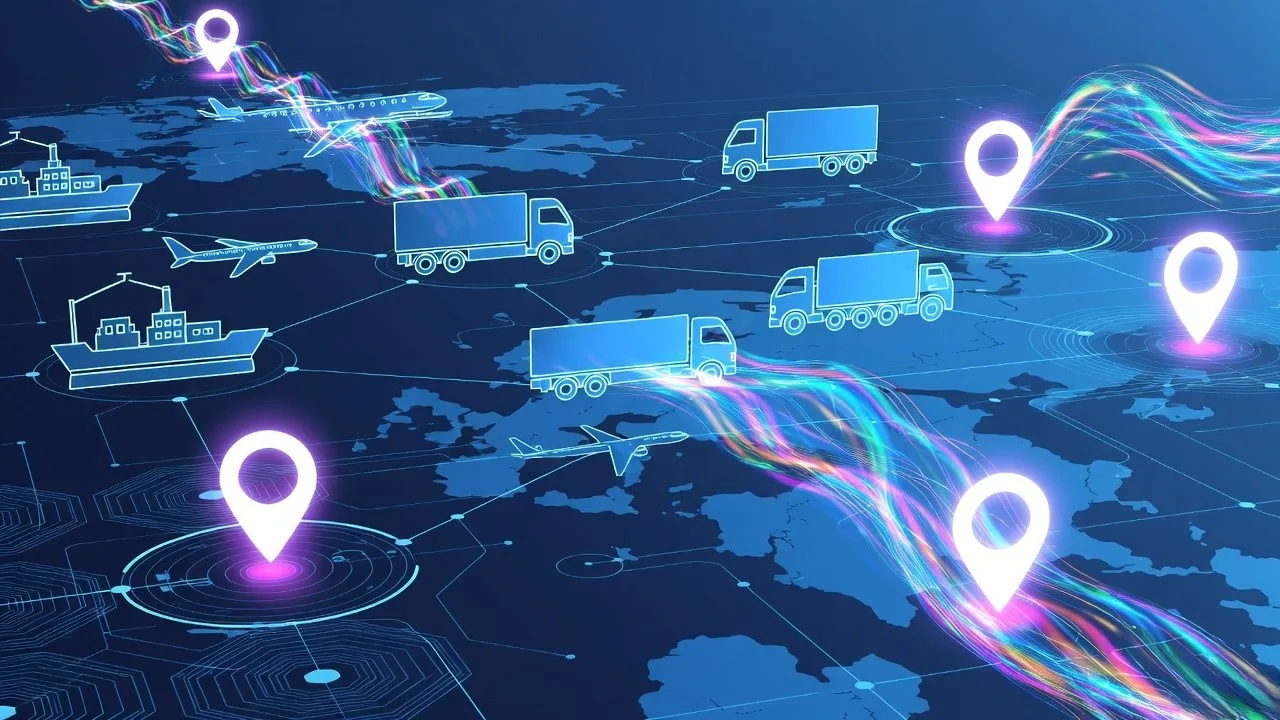
    • Integrated Real-Time Tracking: The TMS connects seamlessly with ELDs, GPS trackers, and carrier systems to provide a single, unified view of every shipment’s location and status (Real-Time Transportation Visibility).
    • Proactive Communication: By leveraging P-ETAs and automated exception alerts, the system notifies customers of potential delays before they even ask, transforming customer service from reactive damage control to proactive trust-building.

    C. Financial Control and Audit

    Cost control requires granular accuracy in billing.

    • Automated Freight Audit and Pay: The system automatically compares carrier invoices against pre-negotiated rates and actual services, flagging discrepancies instantly. This eliminates billing errors, simplifies complex accessorial charges, and accelerates the financial settlement cycle.
    • Comprehensive Analytics: Centralized cloud data allows for deep analysis of carrier performance, lane profitability, and spending trends, enabling data-driven negotiations and strategic network improvements.

    The ROI Timeline: When to Expect Returns

    Companies that implement a robust cloud-based TMS typically see a rapid return on investment, often within 6 to 18 months, driven by quantifiable hard and soft benefits:

    ROI AreaExpected Commercial Impact
    Freight Costs5% – 15% reduction through optimization and carrier rate comparison.
    Detention/DemurrageSignificant reduction by using P-ETAs to schedule dock labor precisely.
    Administrative Labor20% – 40% time savings from automating tendering, auditing, and documentation.
    System UptimeNear 100% uptime guaranteed by the vendor’s redundant cloud infrastructure.

    The cloud-based transport management system is the decisive tool in the race for efficiency. It not only manages the complexities of modern freight but also leverages the power of the cloud to deliver perpetual innovation and a superior commercial advantage.

    People Also Ask

    What is the main financial advantage of a cloud-based TMS?

    It shifts the cost from a massive upfront Capital Expenditure (CapEx) for hardware and licenses to a predictable Operating Expense (OpEx) subscription, significantly reducing the Total Cost of Ownership (TCO).

    How does the cloud environment allow for instant scalability?

    Being cloud-native (SaaS), the system can immediately scale its computing resources up or down to handle volatile volume increases (e.g., peak season) without requiring the company to buy or install any new physical hardware.

    How does a cloud-based TMS deliver a Predictive ETA (P-ETA)?

    It uses cloud-based Artificial Intelligence (AI) to analyze thousands of real-time variables (traffic, weather, port congestion) against carrier data to forecast the actual arrival time with superior accuracy, enabling proactive management.

    How does a cloud TMS improve freight negotiation and cost control?

    It provides real-time performance analytics on all carriers (on-time delivery, reliability). This objective data is used to negotiate better rates, reward high-performing carriers, and enforce better service level agreements.

    How are software updates handled in a cloud-based TMS?

    Updates, security patches, and new features are managed and deployed automatically by the vendor over the cloud. The user’s system is always running the latest version without requiring manual intervention or system downtime.
  • The Intelligent Leap: Merging AI Warehouse Automation and SaaS WMS for Warehouse Dominance

    The Intelligent Leap: Merging AI Warehouse Automation and SaaS WMS for Warehouse Dominance

    The Intelligent Leap: Merging AI Automation and SaaS WMS for Warehouse Dominance

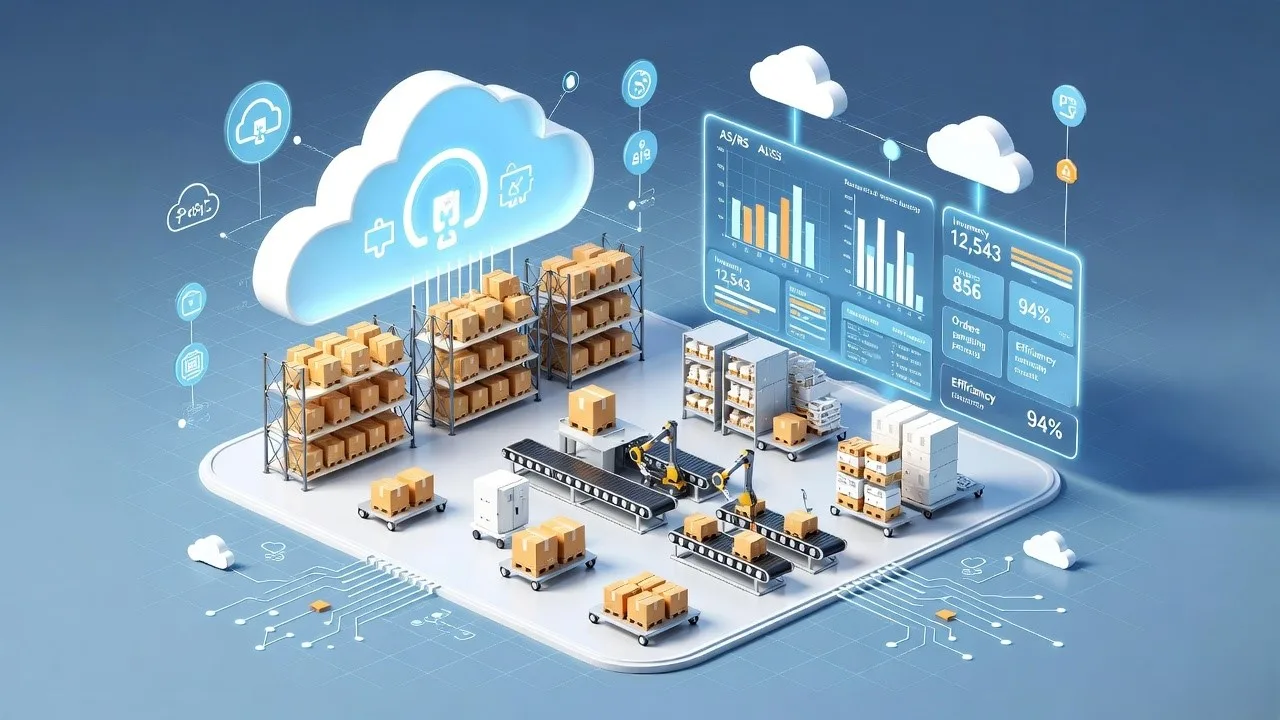
    The warehouse is no longer a static building for storage; it is the strategic engine powering modern commerce. But the pressure has never been higher: customer demands for speed, labor scarcity, and volatile e-commerce volumes are stretching traditional operations to their breaking point.

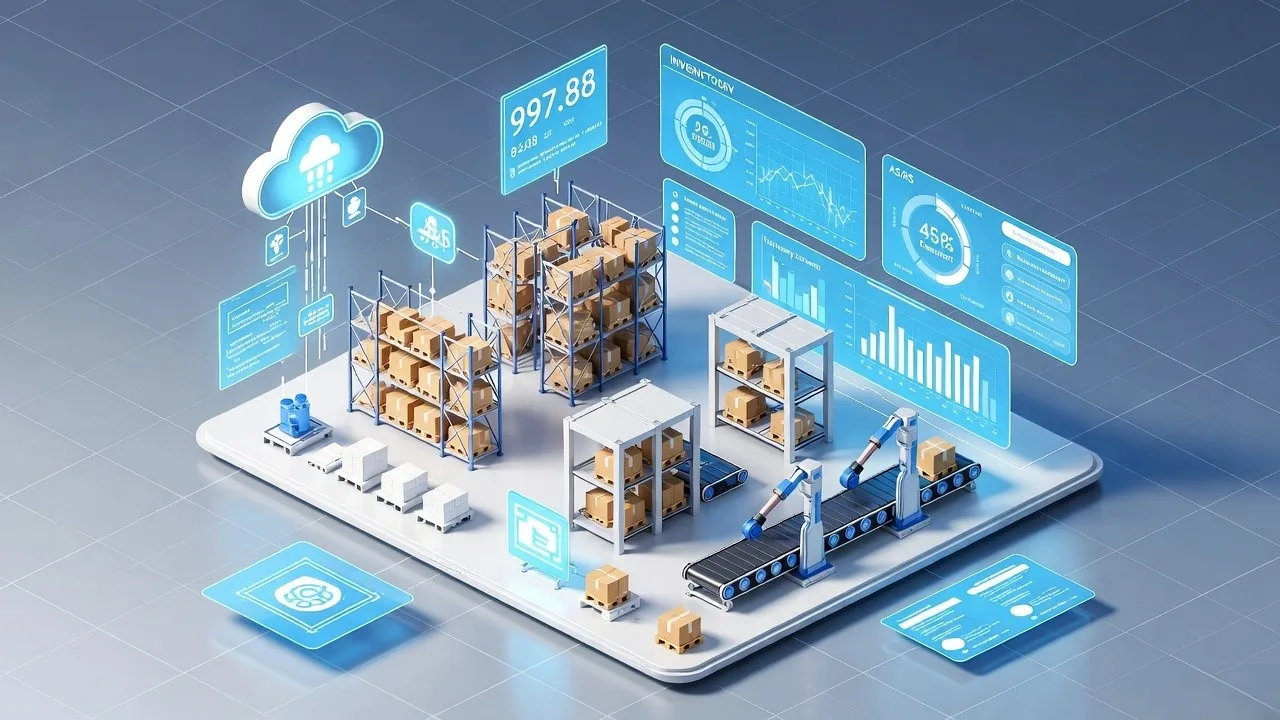
    The solution lies in a powerful digital convergence: the merging of Artificial Intelligence (AI) in warehouse automation with flexible, cloud-native SaaS Warehouse Management Systems (WMS).

    This is the Intelligent Leap. It transforms the warehouse from a rigid, reactive cost center into a self-optimizing, elastic, and highly profitable fulfillment hub. For businesses seeking a sustainable commercial edge, embracing AI-driven automation governed by a SaaS WMS is not a choice—it is the foundational requirement for resilience and growth.

    1. The Power Shift: From Manual Systems to AI Orchestration

    Traditional warehouse operations relied on human experience and static WMS rules (e.g., “always restock Bin A when count is 5”). These systems simply cannot handle the speed, complexity, and variability of modern fulfillment.

    The Role of Artificial Intelligence in Warehouse Management

    Artificial Intelligence in warehouse automation systems provides the cognitive layer that enables dynamic decision-making. AI algorithms constantly process massive streams of data—from conveyor speeds and sensor readings to order queues and labor availability—to make real-time, predictive adjustments.

    The two main areas where AI in warehouse automation delivers transformative commercial value are:

    1. Cognitive Automation: AI drives intelligent decisions within software. This includes Predictive Slotting (forecasting which items should move closer to packing based on anticipated demand), Dynamic Labor Allocation (optimizing worker routes moment-to-moment), and Demand Sensing (adjusting inventory buffers based on social media trends or weather forecasts).
    2. Physical Automation: AI serves as the brain for physical systems, orchestrating the movements of Autonomous Mobile Robots (AMRs), automated sorting systems, and robotic picking arms, ensuring they operate with seamless traffic control and optimal efficiency.

    The SaaS WMS Advantage: Elasticity and Access

    The AI layer requires a management system that is equally agile. This is where the SaaS WMS (Software as a Service Warehouse Management System) proves indispensable.

    Unlike cumbersome on-premise systems that stifle innovation, a SaaS WMS software solution provides:

    • Financial Flexibility: It replaces massive, restrictive Capital Expenditure (CapEx) with a manageable, predictable Operating Expense (OpEx) subscription model, freeing up capital for essential AI and hardware investments.
    • Instant Scalability: Being cloud-native, a saas warehouse management system can instantly scale computing power to handle peak e-commerce volume (e.g., Black Friday) without system failure, providing crucial elasticity.
    • Continuous Updates: The vendor manages all security patches and feature updates in the cloud, ensuring your system is always running the latest AI-driven optimization algorithms and is ready to integrate the newest generation of robotics.

    2. Top AI Warehouse Automation Use Cases for Commercial ROI

    The convergence of artificial intelligence warehouse solutions and SaaS WMS delivers massive, measurable ROI across the warehouse floor.

    Use Case 1: Predictive Slotting and Dynamic Storage

    The placement of inventory directly impacts picking speed and labor costs.

    • The AI Solution: The AI system constantly analyzes sales forecasts, historical picking paths, and concurrent order profiles. It predicts which SKUs are likely to be picked together or most frequently and automatically generates dynamic slotting recommendations to move those items to the most accessible locations (golden zone).
    • Commercial Benefit: Significant reduction in picker travel time (up to 25%), higher throughput, and minimized costs associated with poor layout.

    Use Case 2: Intelligent Task Interleaving and Labor Optimization

    Labor costs are the largest variable expense in the warehouse.

    • The AI Solution: The WMS Task Agent, powered by AI, dynamically assigns the next optimal task to every worker or AMR based on their real-time location, skill set, and the urgency of the order. It interleaves tasks (e.g., combining a cycle count with a putaway task) to eliminate “empty travel.”
    • Commercial Benefit: Increased labor productivity by 20% to 30%, reduction in expensive overtime, and better utilization of human capital.

    Use Case 3: Autonomous Mobile Robot (AMR) Orchestration

    AMRs are useless without sophisticated traffic control and planning.

    • The AI Solution: The AI system manages the entire AMR fleet, controlling traffic flows, assigning tasks (e.g., transferring goods from receiving to storage), and managing battery levels. It dynamically reroutes robots to avoid congestion and prioritizes tasks based on the SaaS WMS order queue.
    • Commercial Benefit: Faster, more flexible material handling than traditional fixed conveyors, leading to rapid scaling of fulfillment capacity with minimal infrastructure changes.

    Use Case 4: Predictive Maintenance for Automation

    Automation equipment is a massive CapEx investment; downtime is catastrophic.

    • The AI Solution: IoT sensors on conveyors, robotics, and forklifts feed data (vibration, temperature, power draw) into the artificial intelligence warehouse system. The AI learns the digital signature of an impending failure and predicts when a component will break.
    • Commercial Benefit: Maintenance can be scheduled during planned downtime, eliminating catastrophic, unscheduled breakdowns that halt operations. This typically boosts asset uptime by over 25% and extends the lifespan of expensive equipment.

    3. The Unified Commercial Advantage

    The true commercial power comes from the synergy of the two systems.

    Resilience and Adaptability

    The SaaS WMS provides the elasticity to handle volume fluctuations, while AI automation provides the intelligence to optimize the physical response to those fluctuations. If a demand spike occurs, the SaaS WMS scales instantly, and the AI immediately adjusts slotting, labor routes, and AMR traffic to meet the surge efficiently without human intervention or system failure.

    Financial Audibility and Compliance

    Because the SaaS WMS is natively integrated with the financial ERP system, all AI-driven decisions (like inventory transfers or cycle counts) are recorded instantly in the general ledger. This ensures clean data, clear audit trails, and financial compliance, which is often compromised in older, fragmented systems.

    Future-Proofing

    The combination future-proofs the operation. As new generations of robots or new optimization algorithms emerge, the cloud-based saas wms solutions instantly deploy the necessary software updates and APIs, allowing the warehouse to adopt cutting-edge technology without the pain of large-scale system replacement projects.

    In conclusion, the era of relying solely on steel and concrete is over. The future belongs to the agile, intelligent warehouse. By strategically merging AI in warehouse automation with a flexible SaaS WMS, companies gain an unparalleled engine for profitability, resilience, and customer-centric fulfillment, the ultimate foundation for sustained commercial dominance.

    People Also Ask

    What is the main financial advantage of using SaaS WMS with AI?

    It shifts the investment from rigid, expensive CapEx to a flexible OpEx model, freeing up capital for AI and robotics hardware, while ensuring the software is always running the latest, most efficient algorithms.

    How does AI improve labor efficiency in the warehouse?

    AI uses real-time data to enable Intelligent Task Interleaving. It dynamically assigns the optimal sequence of tasks to workers and AMRs to eliminate “empty travel” and boost labor productivity by up to 30%.

    What is Predictive Slotting, and how is it commercially useful?

    Predictive Slotting is an AI function that forecasts future demand and dynamically recommends moving high-velocity items to accessible pick faces. This commercially reduces picker travel time and speeds up order fulfillment.

    How does the SaaS model help handle peak e-commerce seasons?

    The cloud-based SaaS WMS is elastic. It can instantly scale its computing resources to handle massive spikes in order volume (e.g., holidays) without system failure or manual IT intervention.

    What role does AI play in warehouse automation maintenance?

    AI uses IoT sensor data from equipment to perform Predictive Maintenance. It forecasts when a component is likely to fail, allowing maintenance to be scheduled proactively, preventing catastrophic, costly unplanned downtime.

  • The Agile Warehouse: Why SaaS Warehouse Management System is the Only Way to Compete

    The Agile Warehouse: Why SaaS Warehouse Management System is the Only Way to Compete

    The Agile Warehouse: Why SaaS Warehouse Management System is the Only Way to Compete

    In today’s hyper-accelerated, e-commerce-driven world, the warehouse is no longer a static building where goods are stored. It is a high-speed, strategic fulfillment hub, the heart of the customer experience and the biggest determinant of profitability. For decades, warehouse operations were run on cumbersome, capital-intensive on-premise Warehouse Management Systems (WMS). These systems were costly to maintain, slow to upgrade, and incapable of adapting to sudden market shifts.

    The future of warehousing is defined by flexibility, scalability, and intelligence and the technology enabling this is SaaS WMS (Software as a Service Warehouse Management System).

    SaaS WMS solutions deliver all the power of enterprise-grade WMS through the cloud. They transform the WMS from a rigid, multi-million dollar liability into a flexible, subscription-based engine of efficiency. This shift is not just an IT trend; it is a commercial imperative that allows businesses of all sizes to compete with the agility and scale of the largest global retailers.

    The Fatal Flaws of On-Premise WMS

    Before understanding the benefits of SaaS warehouse management software, it’s crucial to recognize the crippling limitations of the traditional model:

    1. Massive Upfront Capital Expenditure (CapEx): Traditional systems required significant upfront investment in servers, licenses, and dedicated infrastructure, tying up cash flow.
    2. Obsolescence and Slow Upgrades: Companies often went years without upgrading due to the complexity and cost of migrating customized code. This left them running on obsolete features, unable to leverage new technologies like robotics or AI.
    3. High Total Cost of Ownership (TCO): Beyond the initial cost, the ongoing expense of hiring specialized IT staff, maintaining servers, and applying security patches made the TCO exorbitant.
    4. Lack of Scalability: Scaling up for peak seasons (like the holidays) or new distribution centers was a slow, painful, and often disruptive process.

    The SaaS WMS Revolution: Flexibility, Power, and Profit

    The best SaaS WMS software fundamentally redesigns the economics and operation of warehouse management. It offers a new model based on accessibility, agility, and continuous improvement.

    1. Shift from CapEx to OpEx (The Financial Advantage)

    The most immediate commercial benefit is the elimination of massive upfront capital investment.

    • Subscription Model: SaaS WMS operates on a monthly or annual subscription, converting a crippling CapEx cost into a manageable, predictable operating expense (OpEx). This frees up cash flow for high-ROI activities like marketing, product development, or new inventory acquisition.
    • Predictable Budgeting: The TCO is dramatically lowered and simplified, as the subscription fee typically covers maintenance, updates, security, and cloud hosting.

    2. Instant Scalability and Elasticity

    In the age of e-commerce volatility, the warehouse must expand and contract instantly.

    • Elasticity for Peak Seasons: SaaS WMS systems reside in the cloud (e.g., AWS, Azure) and can instantly scale computing resources to handle sudden peak demand during holidays or major promotions. You only pay for the capacity you use.
    • Rapid Deployment: Deploying a new distribution center or integrating a new 3PL location takes weeks, not months, allowing businesses to expand their footprint rapidly to meet growing demand.

    3. Continuous Innovation and Feature Parity

    This is arguably the most crucial long-term advantage for competitiveness.

    • “Always-on” Upgrades: The vendor manages all updates, patches, and feature rollouts centrally in the cloud. Your system is always running the latest, most secure version, ensuring you constantly benefit from new AI tools, robotics interfaces, and optimization algorithms without IT hassle.
    • Future-Proofing: Since the WMS is cloud-native, it easily integrates with emerging supply chain visibility software and warehouse automation technologies (AMRs, automated picking systems) via modern APIs.

    SaaS WMS: An Engine of Intelligence and Efficiency

    Modern SaaS WMS solutions do more than just record inventory transactions; they leverage cloud power to drive real-time optimization.

    A. Intelligent Execution and Labor Optimization

    • Task Interleaving: The system uses real-time location data to dynamically assign the next optimal task to workers (e.g., combining a putaway task with a cycle count on the same path), minimizing “empty travel” and significantly boosting labor productivity.
    • Wave Management: AI-driven wave planning intelligently batches orders based on priority, shipping cutoff times, and shared inventory locations, ensuring faster throughput and more effective use of automated equipment.

    B. Superior Inventory and Slotting Management

    • Dynamic Slotting: The system constantly analyzes item velocity, order size, and concurrent movement patterns to recommend the optimal location for every SKU, ensuring the fastest-moving items are always in the most accessible pick faces. This can reduce picker travel distance by 15-25%.
    • Inventory Accuracy: SaaS solutions often integrate advanced cycle counting and auditing tools, drastically improving inventory accuracy and reducing costly physical inventory counts.

    C. Enhanced Security and Disaster Recovery

    For an SMB, managing security patches and disaster recovery is a constant headache. With a SaaS WMS, the vendor handles this critical function.

    • Built-in Security: Data resides in highly secure, redundant cloud environments with continuous monitoring and instant patch deployment, offering a level of security far superior to most in-house IT departments.
    • Automatic Backup: Data backups and disaster recovery protocols are automatic, guaranteeing business continuity even after a regional outage or physical facility issue.

    Making the Commercial Case: Choosing Your SaaS WMS Partner

    When evaluating the best SaaS WMS solutions, businesses should focus on integration and fit:

    • Integration Ecosystem: Does the WMS integrate easily with your existing financial/ERP system (e.g., SAP, Oracle, NetSuite, QuickBooks)? The system must connect seamlessly to avoid data silos.
    • Industry Fit: Does the provider specialize in your sector (e.g., 3PL, cold chain, apparel, e-commerce fulfillment)? Industry-specific modules often accelerate implementation and adoption.
    • Scalability Path: Does the platform offer functionality needed for both your current size and your projected growth? A strong SaaS WMS should support you from 50 orders a day to 50,000.

    The transition to a SaaS WMS is not just an IT project; it is a fundamental shift in business strategy. It replaces static infrastructure with agile, cloud-native intelligence. It frees up critical capital. Most importantly, it empowers the warehouse to act as a resilient, customer-focused engine of fulfillment, the ultimate competitive weapon in the digital commerce age.

    People Also Ask

    What is the main financial benefit of SaaS WMS over traditional WMS?

    It shifts the cost from a massive upfront Capital Expenditure (CapEx) for hardware and licenses to a predictable, lower Operating Expense (OpEx) subscription model, freeing up working capital.

    How does SaaS WMS handle system updates and new features?

    The vendor manages updates centrally in the cloud. The system is “always-on” with the latest version, ensuring continuous access to new features (like AI or robotics interfaces) without costly, disruptive manual upgrades.

    How does SaaS WMS improve warehouse labor efficiency?

    It uses real-time data and algorithms to enable Intelligent Task Interleaving and optimized sequencing, dynamically assigning the next best task to workers to eliminate “empty travel” and maximize productivity.

    Why is cloud-based scalability important for a WMS?

    Cloud elasticity allows the system to instantly scale computing resources to handle sudden, massive spikes in order volume (e.g., peak holiday season) without any system failures or slowdowns, ensuring business continuity.

    Is SaaS WMS more secure than on-premise for a small business?

    Yes. SaaS vendors host data in highly secure, redundant cloud environments (e.g., AWS, Azure) that offer 24/7 monitoring, instant patch deployment, and superior disaster recovery—security measures most small businesses cannot afford to manage in-house.

  • The Certainty Advantage: Why Real-Time Transportation Visibility is Non-Negotiable

    The Certainty Advantage: Why Real-Time Transportation Visibility is Non-Negotiable

    The Certainty Advantage: Why Real-Time Transportation Visibility is Non-Negotiable

    In the hyper-competitive logistics landscape, the defining feature of operational excellence is not speed, but certainty. For too long, transportation management was a reactive game, relying on delayed data, static schedules, and fragmented communication. This uncertainty, the black hole between dispatch and delivery, is where costs soar, customer trust erodes, and competitive advantage is lost.

    The solution is Real-Time Transportation Visibility (RTTV).

    RTTV is the strategic technology that transforms transportation from a reactive guessing game into a proactive, data-driven system. It provides a single, unified, and predictive view of every shipment, across every mode, globally. This shift from “knowing where the truck was” to “knowing precisely when the shipment will arrive and the costs if it doesn’t” is the most powerful commercial lever a business can pull today. It’s the essential investment that secures resilience, optimizes working capital, and delivers a superior customer experience.

    The Problem: Fragmentation and the Cost of Uncertainty

    Before RTTV, transportation visibility relied on siloed systems, creating three critical points of commercial failure:

    1. The Communication Gap: Tracking data was proprietary and trapped within individual carrier systems (telematics, Electronic Logging Devices/ELDs). Shippers and 3PLs were forced to call, email, or manually check disparate portals for status updates—a massive drain on labor and time.
    2. Static Prediction: Traditional Estimated Time of Arrival (ETA) was based on static distance and average speed. It failed completely to factor in real-time volatility like traffic jams, unexpected weather, border closures, or driver delays. This flawed prediction led directly to dock congestion, wasted labor, and missed service deadlines.
    3. Reactive Management: Without a central, integrated view, logistics managers could only react after a problem occurred—a truck breaks down, a vessel is delayed—leading to expensive, last-minute expediting (air freight) or lost inventory due to spoilage.

    The RTTV Solution: Integrated Intelligence

    RTTV software solutions (like those from project44, FourKites, or Shippeo) solve this by aggregating and processing massive amounts of data in the cloud, leveraging Artificial Intelligence (AI) to provide three game-changing capabilities:

    1. Unified Data Aggregation: The Single Source of Truth

    The RTTV platform connects via APIs (Application Programming Interfaces) to thousands of global carriers, rail networks, ocean lines, and air freight forwarders. It ingests data from every available source—GPS, ELDs, telematics, and port systems—and normalizes it into one easy-to-read dashboard. This eliminates the need for manual tracking and establishes the Single Source of Truth (SSOT) for all stakeholders (logistics, procurement, sales, and the customer).

    2. Predictive ETA (P-ETA): Foresight, Not Hindsight

    This is the core commercial value of RTTV. The system doesn’t just show the current location; it uses Machine Learning (ML) to constantly recalculate the arrival time based on hundreds of dynamic variables:

    • Real-time traffic and accident reports
    • Weather forecasts along the route
    • Historical carrier performance on that specific lane
    • Port congestion and customs clearance times

    This P-ETA is highly accurate, often updated every 5 to 15 minutes, allowing logistics teams to make proactive decisions hours or days in advance.

    3. Automated Exception Management

    The platform uses AI to perform anomaly detection. It monitors the P-ETA against the guaranteed Service Level Agreement (SLA). If a shipment’s P-ETA suggests it will violate the SLA (e.g., be more than 4 hours late), the system automatically triggers an alert to the appropriate manager. This shifts the team’s focus from tracking every shipment to managing only the critical exceptions, massively boosting labor productivity.

    The Commercial ROI: RTTV as a Profit Generator

    The implementation of RTTV is a strategic investment that generates immediate, quantifiable returns across every critical area of the business.

    1. Eliminating Costly Penalties (Detention and Demurrage)

    This is often the fastest way to recoup the software investment. Unplanned costs accrue when trucks are delayed at docks (detention) or containers sit too long at ports (demurrage).

    • The Commercial Benefit: Accurate P-ETAs allow receiving warehouses to schedule labor and allocate dock doors precisely, eliminating driver wait times and ensuring containers are picked up promptly. Companies typically see a reduction of 15% to 25% in these unplanned fees.

    2. Optimizing Inventory and Working Capital

    The predictability provided by RTTV directly impacts financial strategy.

    • The Commercial Benefit: When companies can trust P-ETAs, they can reduce the need for excessive safety stock buffers in their warehouses. Knowing inventory will arrive reliably frees up working capital tied up in slow-moving or excess inventory, leading to a leaner, more financially flexible operation.

    3. Boosting Customer Loyalty and Retention

    In the competitive e-commerce and retail space, customer satisfaction hinges on transparency.

    • The Commercial Benefit: RTTV platforms enable proactive communication. When a delay is detected, the sales or customer service team can notify the customer immediately with the new P-ETA. This transparency builds trust, minimizes costly customer service calls, and significantly boosts customer retention and loyalty scores.

    4. Enhancing Operational Labor Productivity

    The reduction in manual “track and trace” labor is substantial.

    • The Commercial Benefit: Logistics personnel are freed from continuous status calls and emails, shifting their focus to strategic tasks like carrier negotiations, network optimization, and planning. The ability of the platform to manage exceptions automatically ensures that time is only spent on shipments that genuinely require intervention.

    5. Improving Supplier and Carrier Performance

    RTTV provides a data-driven score card for every partner.

    • The Commercial Benefit: The platform captures highly accurate data on carrier on-time performance, dwell times, and communication reliability. This objective data is invaluable during contract renewal negotiations, allowing companies to reward reliable carriers with more volume and demand improved rates or service from underperformers.

    Beyond Tracking: The Future of Autonomous Logistics

    The true long-term value of RTTV is that it acts as the necessary input for autonomous logistics. The clean, predictive data generated by the RTTV platform feeds crucial systems across the supply chain:

    • Warehouse Management Systems (WMS): Knowing an inbound shipment is delayed allows the WMS to dynamically reallocate labor and truck staging without human intervention.
    • ERP/Procurement: P-ETAs can automatically adjust the expected receipt date in the ERP, keeping financial records and production schedules accurate.
    • Insurance and Claims: Granular location and condition data (temperature, shock) provides verifiable, immediate proof for insurance claims, speeding up settlements and minimizing losses.

    By investing in RTTV, companies are not just buying a tracking solution; they are building the foundation for a truly autonomous, resilient, and optimized supply chain network. The certainty advantage is here, and those who leverage it will own the future of commerce.

    People Also Ask

    What is the key difference between RTTV and old GPS tracking?

    Old tracking gave a static location; RTTV provides a Predictive ETA (P-ETA). It uses AI to forecast the actual arrival time based on dynamic variables like weather and traffic, allowing for proactive decision-making.

    How does RTTV help reduce detention and demurrage fees?

    Accurate P-ETAs allow receivers to precisely schedule dock labor and resources. This minimizes the time trucks wait for loading/unloading (detention) and eliminates costly port storage fees (demurrage).

    What type of data does RTTV software aggregate?

    It aggregates data from all sources: carrier telematics/ELDs via API, internal systems (TMS/WMS), and IoT sensors on cargo (for condition monitoring like temperature).

    How does RTTV boost customer loyalty?

    It enables proactive communication. When a delay is flagged by the AI, the customer service team can notify the client immediately with the new P-ETA, building trust and minimizing customer calls.

    How does RTTV help with carrier negotiation and performance?

    It provides objective performance data (on-time percentage, dwell times) for every carrier. This data is used to negotiate better rates, reward reliable partners, and manage performance during contract cycles.

  • The Engine of Profit: Why the Best Transport Management Software is Your Ultimate Competitive Edge

    The Engine of Profit: Why the Best Transport Management Software is Your Ultimate Competitive Edge

    The Engine of Profit: Why the Best Transport Management Software is Your Ultimate Competitive Edge

    In the high-stakes world of logistics, transportation is the single largest expense. Managing a complex network of carriers, routes, regulations, and customer demands is often the difference between razor-thin margins and robust profitability. For decades, this complexity was managed by fragmented systems, phone calls, and spreadsheets—a recipe for inefficiency and error.

    Today, the most successful shippers, carriers, and 3PLs recognize that competitive advantage is engineered through technology. The right Transport Management Software (TMS) is the strategic tool that transforms transportation from a reactive cost center into a proactive, data-driven profit engine.

    The top transportation management systems are intelligent, cloud-native platforms that leverage AI and real-time data to automate processes, optimize every mile, and provide end-to-end visibility. Choosing the best TMS is not just an IT decision; it’s a commercial imperative that secures resilience, cuts costs, and unlocks unparalleled customer service.

    The TMS Imperative: Solving the Complexity Crisis

    Modern transportation is plagued by volatility—fuel price swings, driver shortages, fluctuating consumer demand, and geopolitical instability. A basic system cannot cope. The best TMS solutions are built to solve three core crises:

    1. Cost and Efficiency: Minimizing freight spend by optimizing route selection, consolidation, and carrier negotiation.
    2. Complexity and Compliance: Managing multi-modal freight (LTL, FTL, Parcel, Ocean, Air) across diverse geographies and strict regulatory environments.
    3. Visibility and Customer Experience: Providing accurate, proactive communication that builds customer trust and reduces costly service inquiries.

    Key Features Defining the Best TMS Software

    The best TMS platforms, whether designed for shippers or acting as carrier TMS software, must excel in these core intelligent functions:

    1. Intelligent Planning and Optimization

    This is the core value proposition: ensuring the right freight is moved by the right mode, on the right route, at the lowest possible cost.

    • Rate and Mode Selection: Instantly compares contracted rates, spot market quotes, and service levels across all carriers and modes (FTL, LTL, Rail, Parcel). The system doesn’t just find the lowest rate; it finds the optimal balance between cost and delivery time.
    • Load Consolidation: Uses Machine Learning (ML) to identify opportunities to combine smaller shipments into larger, more cost-effective loads (e.g., LTL to FTL or multi-stop routes) or consolidate orders from different warehouses.
    • Dynamic Routing: Goes beyond fixed routes by integrating real-time traffic, weather, and historical data to ensure the most efficient, fuel-saving path is taken moment-to-moment.

    2. Execution and Visibility

    Execution is where the plan meets reality. The best TMS solutions provide flawless, real-time control.

    • Automated Tendering: Automatically sends shipment requests to preferred carriers based on pre-defined routing guides, escalating to the next available carrier if the primary rejects the load.
    • Real-Time Tracking and P-ETAs: Integrates with carrier telematics and ELDs to provide true, end-to-end visibility. It leverages AI to calculate Predictive Estimated Time of Arrival (P-ETA), constantly updating based on current conditions, a crucial feature for proactive communication.
    • Digital Documentation: Automates the creation and storage of Bills of Lading (BOLs), customs forms, and proofs of delivery (PODs), eliminating paper and speeding up billing cycles.

    3. Financial Management and Audit

    The best TMS systems ensure every dollar spent on freight is tracked, verified, and reconciled instantly.

    • Automated Freight Audit: Compares carrier invoices against contracted rates and actual services rendered, flagging discrepancies and preventing costly overbilling.
    • Settlement and Payment: Automates the payment process to carriers once the audit is complete, speeding up cash flow management for all parties.

    The Market Leaders: Top Transportation Management Systems

    The top TMS market is dominated by platforms that offer deep functionality across the entire supply chain, often specializing either for large enterprise shippers or 3PLs/Carriers.

    1. Oracle Transportation Management (OTM)

    Part of the Oracle Fusion Cloud SCM suite, OTM is a robust, global solution designed for highly complex, multi-national logistics operations.

    • Ideal User: Large shippers and 3PLs with complex global operations, extensive multi-modal networks, and deep integration needs with Oracle ERP systems.
    • Commercial Edge: Unmatched capability in Global Freight Forwarding and compliance, leveraging AI to manage complex trade regulations and international visibility.

    2. SAP Transportation Management (SAP TM)

    Tightly integrated with the SAP S/4HANA ERP, SAP TM is essential for large enterprises already running SAP’s financial and production systems.

    • Ideal User: Global manufacturers, automotive companies, and enterprises that require seamless integration between financial settlement, production planning, and logistics execution.
    • Commercial Edge: Deep financial integration for accurate, immediate cost allocation and tracking within the ERP environment.

    3. Blue Yonder Transportation Management

    Known for its advanced optimization algorithms and planning intelligence, Blue Yonder provides a platform that excels at finding the most efficient solutions in volatile markets.

    • Ideal User: Large shippers and retailers focused heavily on maximizing planning accuracy, load consolidation, and cost control through superior ML-driven optimization.
    • Commercial Edge: Superior scenario planning capabilities, allowing logistics teams to model the cost and time impact of various disruption events or pricing changes before execution.

    4. MercuryGate (TMS)

    A highly flexible, modular, and cloud-native platform popular across the full spectrum—shippers, 3PLs, and carriers.

    • Ideal User: 3PLs requiring multi-tenant architecture and diverse integration capabilities; shippers seeking a flexible, non-ERP-centric solution.
    • Commercial Edge: Strong capability as carrier TMS software, providing tools for capacity management, dispatch, and settlement that directly benefit the service provider side of the logistics equation.

    Specialized TMS for Carriers

    The best TMS software for carriers focuses on maximizing asset utilization, managing driver workflow, and ensuring rapid payment. These systems are essential for service providers to run profitable fleets.

    • Load Aggregation and Dispatch: Automates the assignment of loads to drivers based on location, hours of service (HOS) rules compliance, and asset availability, minimizing deadhead miles (empty trips).
    • Driver Mobile Apps: Provides drivers with real-time route changes, digital documentation, and automatic HOS logging, ensuring compliance and efficiency.
    • Fleet Maintenance Integration: Links with telematics to schedule maintenance based on actual mileage/engine hours, maximizing asset uptime, a critical metric for carriers.

    The Commercial ROI: From Expense to Strategic Asset

    The implementation of a top-tier TMS is not a discretionary expense; it is a strategic investment that generates immediate, measurable ROI.

    Commercial Impact AreaTypical TMS Improvement
    Freight Spend Reduction5% to 15% reduction achieved through optimal mode selection and load consolidation.
    Administrative CostsAutomation of tendering, auditing, and billing reduces manual labor by 20% to 40%.
    Carrier ComplianceAutomated HOS logging and routing guide enforcement reduces legal and operational risks.
    Customer SatisfactionReal-time visibility and proactive P-ETA communication significantly boost service levels and customer loyalty.
    Financial AccuracyAutomated freight audit eliminates billing errors and reduces the time from delivery to payment (cash conversion cycle).

    The best TMS is the one that removes the friction from every single step of the transportation process. It is the sophisticated software engine that powers maximum profitability and guarantees competitive resilience in an unpredictable world.

    People Also Ask

    What is the primary function of a TMS?

    To plan, execute, and optimize the physical movement of goods across all modes of transport. It manages the entire process from order submission and carrier selection to freight audit and settlement.

    How does the best TMS software for carriers maximize profit?

    It maximizes profit by reducing deadhead miles (empty running) through intelligent load aggregation and dispatching, and by ensuring regulatory compliance (HOS) to keep drivers and assets operational.

    What is the commercial benefit of using “Predictive ETAs” (P-ETAs)?

    P-ETAs (calculated by AI using real-time factors) reduce customer service calls and allow receivers to schedule dock labor precisely, minimizing detention and demurrage fees, which saves shippers significant money.

    What feature most directly reduces freight spend in a TMS?

    Intelligent Load Consolidation and Optimization. This feature uses ML to combine multiple small shipments into cost-effective larger loads or multi-stop routes, dramatically lowering overall transportation costs.

    What makes a top TMS platform “AI-driven”?

    An AI-driven TMS uses ML for dynamic optimization (e.g., real-time route adjustment) and predictive analytics (e.g., P-ETAs), ensuring decisions are based on the likelihood of future outcomes, not just historical averages.

  • The End of the Black Box: Why Supply Chain Visibility Software Defines Commercial Success

    The End of the Black Box: Why Supply Chain Visibility Software Defines Commercial Success

    The End of the Black Box: Why Supply Chain Visibility Software Defines Commercial Success

    In the complex theater of global commerce, the greatest source of risk and wasted capital is the unknown. Where is the critical component? When, precisely, will the container arrive? Why is the delivery window slipping?

    For too long, the answer involved fragmented data, frantic phone calls to carriers, and the inevitable costly surprise. Today, the world’s most resilient and profitable companies have replaced this reactive chaos with a single source of truth: the Supply Chain Visibility Platform (SCVP), often referred to as Supply Chain Visibility Software.

    An SCVP is the central nervous system of modern logistics. It is the intelligent, unified layer that transforms data from thousands of sources, from the supplier’s warehouse floor to the customer’s doorstep, into predictive, actionable insight. This shift from blind faith to absolute transparency is the most powerful commercial lever a business can pull, guaranteeing operational resilience, bolstering customer loyalty, and securing profitable growth.

    Implementing sophisticated supply chain visibility software is no longer a luxury, it is the foundational requirement for thriving in the dynamic global market.

    The Visibility Gap: Why Traditional Systems Fail

    The traditional supply chain architecture created inevitable “blind spots” due to a reliance on fragmented systems:

    1. Siloed Data: Information is trapped within separate operational systems: the ERP handles finance, the WMS handles inventory, and the TMS handles freight booking. No single system has a real-time, end-to-end view.
    2. Reliance on EDI/Static Updates: Many companies still rely on outdated Electronic Data Interchange (EDI) or manual updates, which provide delayed, snapshot views of events that have already occurred. This is useless for proactive management.
    3. Tier-1 Myopia: Visibility typically stops at the direct (Tier 1) supplier, leaving companies exposed to catastrophic failures in their secondary or tertiary suppliers (Tier 2/Tier 3), as painfully demonstrated by recent global disruptions.

    Modern supply chain visibility solutions bridge this gap by prioritizing real-time data aggregation and predictive intelligence over static reporting.

    The Mechanics: How SCV Platforms Deliver Intelligence

    The efficacy of modern visibility software rests on its ability to fuse, interpret, and predict using vast amounts of data.

    1. Unified Data Aggregation: The Universal Translator

    The core function of an SCVP is to ingest and normalize data from every touchpoint in the supply chain:

    • Carrier Connectivity: Seamless, real-time API integrations with thousands of global carriers (ocean, air, rail, LTL/FTL trucking).
    • System Integration: Bi-directional connections with internal enterprise systems (ERP, WMS, TMS) and external partner systems (3PLs, customs brokers).
    • IoT & Telematics: Ingestion of granular, continuous data from physical devices like GPS trackers, temperature/shock sensors, and electronic logging devices (ELDs).

    By acting as the central Control Tower, the SCVP resolves data conflicts, standardizes disparate formats, and creates a Single Source of Truth (SSOT) for all supply chain events.

    2. Predictive Analytics: The Foresight Engine

    Raw location data is useful; predictive foresight is invaluable. SCVPs leverage AI and Machine Learning (ML) to convert real-time data into future outcomes:

    • Predictive ETAs (P-ETAs): The system uses ML to analyze hundreds of variables current traffic, weather forecasts, port congestion, customs clearance patterns, and historical carrier reliability to provide a highly accurate, constantly updating Predicted Estimated Time of Arrival. This is a dramatic upgrade over static GPS calculations.
    • Anomaly Detection: AI algorithms continuously scan the network for subtle deviations from the plan (e.g., a truck idling too long in an unscheduled area, a vessel slowing down unexpectedly) and automatically trigger a proactive alert before the deviation escalates into a major delay.

    3. Collaboration Layer: Sharing the Truth

    The platform provides a secure, shared environment where all stakeholders, procurement, logistics, sales, and the end customer can access the same verified, real-time data. This transparency reduces disputes, eliminates redundant communication, and speeds up decision-making.

    The Commercial Imperative: SCV as a Profit Lever

    Investing in top-tier supply chain visibility software yields immediate and compounding ROI across key business functions.

    A. Maximizing Working Capital and Inventory

    Visibility directly reduces the need for costly inventory safety buffers.

    • Inventory Optimization: When shippers rely on high-fidelity P-ETAs, they can trust the arrival date. This allows them to run leaner operations, reduce safety stock requirements, and free up millions in working capital that was previously tied up in excess inventory.
    • Reduced Expediting: Knowing that a shipment will be delayed a day in advance allows managers to proactively adjust production or distribution plans, avoiding the high cost and fees associated with last-minute expedited air freight or rush shipments.

    B. Eliminating Costly Penalties and Fees

    The single largest source of unplanned cost in logistics often stems from miscommunication at receiving points.

    • Detention and Demurrage: By providing highly accurate, real-time notifications of an arrival time, the SCVP allows warehouses to schedule labor and allocate dock doors precisely. This minimizes the time a driver spends waiting (detention) and avoids punitive port/rail storage fees (demurrage), often saving 20% or more on these line items.

    C. Securing Customer Loyalty (The Last Mile)

    Customer expectations are non-negotiable. Visibility ensures promises are kept, or communicated proactively when they cannot be.

    • Proactive Communication: The SCVP flags potential delays hours or days in advance, enabling the sales or customer service team to notify the client before they even realize there’s a problem. This transparent communication builds trust and significantly boosts customer retention and satisfaction scores.
    • Enhanced Service Level Agreements (SLAs): Reliable P-ETAs help companies meet contractual SLAs with greater consistency, avoiding penalties and securing renewal contracts.

    D. Risk Mitigation and Business Continuity

    The SCVP is your digital insurance against external shocks.

    • Tier-N Mapping and Risk Scoring: Modern platforms go beyond Tier 1, mapping the extended supply network. They use AI to analyze geopolitical news and weather patterns, assigning a dynamic risk score to every lane and every supplier.
    • Scenario Planning: If a major port closes, the SCVP instantly provides alternative routing options, factoring in cost, time, and downstream impact, enabling rapid execution of a tailored business continuity plan.

    Choosing the Right Visibility Solution

    When evaluating supply chain visibility software, look beyond the map interface. Prioritize platforms that offer:

    1. Network Depth: The ability to integrate with a high number of global carriers and logistics partners.
    2. Predictive Accuracy: Proven, independently verified P-ETA accuracy across multiple transport modes.
    3. Actionable Integration: Seamless, bi-directional APIs that write data back to your ERP/TMS to automatically adjust inventory or finance records.
    4. Condition Monitoring: Integration with IoT sensors to track the physical integrity of goods (temperature, shock, humidity), essential for cold chain and high-value cargo.

    The investment in a unified SCVP platform is an investment in strategic intelligence. It empowers businesses to move out of the reactive, costly “black box” and into an era of predictive, resilient, and profitable logistics.

    People Also Ask

    What is the primary commercial benefit of a Supply Chain Visibility Platform (SCVP)?

    The primary benefit is reducing uncertainty and optimizing working capital. SCVPs provide the predictive data needed to reduce inventory buffers, minimize costly expediting, and eliminate penalties like detention and demurrage fees.

    How does visibility software achieve a “Predictive ETA” (P-ETA)?

    It uses AI and Machine Learning (ML) to analyze thousands of external, real-time variables (weather, traffic, port congestion) alongside historical carrier data to forecast the actual arrival time, which is more accurate than static GPS data.

    Does SCV software replace a company’s existing TMS or WMS?

    No. SCV software acts as an intelligent data aggregation and integration layer. It pulls data from and sends predictive insights back to existing systems (ERP, TMS, WMS) to enhance their functionality, not replace them.

    What is “Tier-N Mapping,” and why is it important for resilience?

    Tier-N Mapping extends visibility beyond the direct (Tier 1) supplier to include their suppliers (Tier 2, Tier 3, etc.). This is vital for risk mitigation, as it identifies vulnerabilities deep within the supply network before a disruption can escalate.

    How does the SCVP help improve customer service?

    It enables proactive communication. By using predictive analytics to identify potential delays hours or days in advance, the system alerts the customer service team to notify the client before they are even aware of a problem, significantly boosting trust.

  • The End-to-End Advantage: Why Supply Chain Visibility Platforms Are Non-Negotiable

    The End-to-End Advantage: Why Supply Chain Visibility Platforms Are Non-Negotiable

    The End-to-End Advantage: Why Supply Chain Visibility Platforms Are Non-Negotiable

    In the hyper-competitive, post-disruption global market, the greatest enemy of profit is uncertainty. Where is the container? When will the raw materials arrive? Why is the truck idling?

    For decades, these questions were answered with speculation, fragmented spreadsheets, and frantic phone calls. Today, the answer is a single, integrated digital layer: the Supply Chain Visibility Platform (SCVP).

    An SCVP is not merely a tracking system; it is the central nervous system of your logistics network. It fuses data from every point, from the supplier’s warehouse floor to the customer’s doorstep, to provide a single, unified, and predictive view. This shift from blind faith to absolute transparency is the most powerful commercial lever a business can pull, transforming the supply chain from a reactive cost center into a resilient, intelligent, and highly optimized strategic asset.

    Implementing modern supply chain visibility solutions is no longer optional; it is the foundational requirement for resilience, customer satisfaction, and profitable growth.

    The Mechanics: How Supply Chain Visibility Technology Works

    Achieving true end-to-end visibility requires more than just a single GPS sensor. It demands the sophisticated aggregation and interpretation of data from thousands of disparate sources.

    1. Data Aggregation: The Universal Translator

    The core function of an SCVP is to ingest data from every stakeholder involved in the product’s journey:

    • Carrier Telematics: Data feeds from thousands of carriers (trucks, rail, ocean, air) via APIs (Application Programming Interfaces) and Electronic Logging Devices (ELDs).
    • Enterprise Systems: Integration with internal software like your ERP (Enterprise Resource Planning), TMS (Transportation Management System), and WMS (Warehouse Management System).
    • Physical Tracking Devices: Real-time location and condition data from IoT sensors (tracking temperature, humidity, shock) and RFID tags placed on assets and cargo.

    The SCVP acts as the central control tower, normalizing this messy, multi-format data into a clean, unified feed.

    2. Predictive Analytics: The Intelligence Layer

    Raw data is useful; predictive insight is invaluable. Modern SCVPs leverage AI and Machine Learning (ML) to turn real-time data into foresight:

    • Predictive ETAs (P-ETAs): Unlike a static GPS ETA, a P-ETA uses ML to factor in over a hundred variables—current traffic, weather forecasts, port congestion, historical carrier performance—to provide a highly accurate estimate of arrival time, constantly updated.
    • Anomaly Detection: Algorithms continuously scan the network for unusual patterns (e.g., a truck idling too long, a container dwelling unexpectedly at a port) and proactively trigger an alert before the delay becomes a disaster.

    The Commercial Imperative: Top SCV Use Cases

    The ROI of supply chain visibility technology is realized across every major cost and revenue line of the business.

    1. Reducing Detention and Demurrage Costs

    This is one of the most immediate and quantifiable savings. Detention (truck waiting time) and demurrage (port/rail container storage fees) costs millions annually for large shippers, often incurred because the receiver was unaware of the actual arrival time.

    • The SCV Solution: By providing highly accurate, real-time P-ETAs, the SCVP allows warehouses and receiving docks to schedule labor and allocate dock doors precisely. This minimizes driver wait times and eliminates punitive fees. Companies often report detention cost reductions exceeding 20%.

    2. Boosting Customer Satisfaction and Retention

    In the Amazon era, customers demand transparency. The SCVP allows you to transform customer service from reactive damage control to proactive communication.

    • The SCV Solution: Proactive alerts notify customers of delays before they ask. Customer-facing tracking portals, powered by SCVP data, offer the same level of granular detail a manager sees. Studies show that proactive communication in the face of a disruption significantly increases customer trust and retention.

    3. Risk Mitigation and Resilience

    In a world of constant geopolitical and environmental volatility, the SCVP is your digital insurance policy.

    • The SCV Solution: Visibility extends to your Tier 2 and Tier 3 suppliers. By knowing where critical components are, the system allows managers to simulate disruption scenarios (e.g., “If Port A shuts down, what is the impact on Production Line B?”). This enables companies to proactively reroute shipments, switch suppliers, and minimize the financial impact of a disruption by up to 50%.

    4. Improving Operational Efficiency and Productivity

    Without visibility, logistics teams are forced into “track-and-trace” firefighting—spending hours calling carriers and emailing stakeholders.

    • The SCV Solution: The SCVP automates all tracking, freeing up logistics staff to focus on higher-value activities like strategic planning and exception management. This leads to substantial gains in team productivity and lower labor overheads.

    5. Inventory Optimization and Working Capital

    Knowing the precise, real-time location of inventory “in motion” is just as important as knowing what’s in the warehouse.

    • The SCV Solution: Accurate P-ETAs reduce the need for excessive safety stock buffers. If you know a shipment is arriving reliably in 7 days, you don’t need to hold 14 days of safety stock. This frees up working capital tied up in excess inventory, leading to a leaner, more financially efficient operation.

    The Major Players: Top SCV PlatformsContainer Logistics Management​

    The market is currently dominated by specialized platforms that focus intensely on transportation visibility and advanced data analytics:

    • project44 / FourKites: These are the market leaders in Real-Time Transportation Visibility Platforms (RTTVPs), offering multi-modal tracking (ocean, air, road, rail) and leveraging patented AI for superior P-ETA accuracy and predictive exception management. They are essential for complex, international shippers.
    • Shippeo: Known for its comprehensive multimodal visibility network and focus on integrating with a wide range of TMS and telematics systems across Europe and beyond.
    • E2open: Focuses on multi-enterprise collaboration and planning, using visibility to enable collaborative planning among a network of partners (suppliers, manufacturers, distributors).

    The best choice depends on a company’s specific needs—whether the priority is deep integration with existing SAP/Oracle systems or achieving the highest-fidelity real-time tracking across global freight networks.

    See Everything, Win Everywhere

    In a transparent world, the lack of supply chain visibility is an intolerable handicap. The Supply Chain Visibility Platform is the strategic investment that closes the information gap, converting raw data into actionable intelligence.

    By giving you the ability to see your entire network, predict disruptions, and act before consequences materialize, SCVPs empower you to deliver value reliably, reduce systemic costs, and secure a decisive competitive advantage in the digital logistics age. The investment in visibility is, quite simply, an investment in certainty and profit.

    People Also Ask

    What is a Supply Chain Visibility Platform (SCVP)?

    It is a centralized software platform that collects, aggregates, and interprets real-time data from all sources (carriers, sensors, ERPs) to provide a single, unified, end-to-end view of the location and status of all inventory and shipments.

    How does SCV technology reduce detention and demurrage costs?

    SCVPs provide highly accurate Predictive ETAs (P-ETAs) to receivers. This allows for precise scheduling of dock labor and truck arrivals, minimizing costly driver wait times (detention) and port storage fees (demurrage).

    What is the difference between a static ETA and a Predictive ETA?

    A static ETA is based on fixed distance and speed. A P-ETA uses AI/ML to continuously process external data (traffic, weather, port congestion) to forecast the actual arrival time, drastically improving accuracy and reliability.

    How does SCV help with supply chain risk?

    It identifies anomalies and potential disruptions proactively. By providing real-time location and status, it enables managers to quickly reroute shipments or source alternative supply before a delay impacts production or customer delivery.

    Do SCV solutions replace a company’s TMS or WMS?

    No. SCV solutions act as a data layer (or Control Tower). They integrate with and pull data from existing systems (TMS, WMS, ERP) to enhance visibility and prediction across the entire network, without replacing the execution systems themselves.

  • The End of Guesswork: How GPS Asset Tracking Systems Turbocharge Your ROI

    The End of Guesswork: How GPS Asset Tracking Systems Turbocharge Your ROI

    The End of Guesswork: How GPS Asset Tracking Systems Turbocharge Your ROI

    In the world of logistics, construction, field services, and high-value equipment rental, a simple truth persists: if you can’t find it, you can’t profit from it. For too long, companies have bled money due to “ghost inventory,” unauthorized use, inefficient routing, and costly, unplanned equipment failures.

    The solution isn’t magic; it’s the GPS Asset Tracking System. This technology has evolved from basic dot-on-a-map visibility into a sophisticated, AI-enhanced intelligence layer that actively protects your investments and relentlessly optimizes your operations.

    Implementing a robust GPS asset tracker solution is the fastest way to convert uncertainty into control, transforming your assets from potential liabilities into predictable, high-performing revenue generators.

    How Do GPS Trackers Work? The Core Science

    To appreciate the commercial power of a GPS tracking system, it helps to understand the engineering behind it. A GPS asset tracker is a compact device that uses satellite signals and cellular technology to pinpoint its location and communicate that data to a central platform.

    The Three Core Components:

    1. The Receiver (The Listener): This is the core component that communicates with the Global Navigation Satellite System (GNSS), which includes the US-owned GPS constellation, along with others like Russia’s GLONASS and Europe’s Galileo. The receiver captures signals from a minimum of four satellites to calculate the device’s exact location using a process called trilateration. This calculation yields precise latitude, longitude, and altitude.
    2. The Communication Module (The Talker): Once the location is calculated, the tracker needs to send it to you. Most modern trackers use an integrated Cellular modem (LTE/5G), powered by a SIM card or eSIM, to transmit the data over mobile networks to a cloud server. For remote areas without cellular coverage, specialized trackers use Satellite modems to ensure continuous communication.
    3. The Software Platform (The Brain): The central server receives millions of data points, processes them, and displays them on a user-friendly mobile app or web dashboard. This is where the raw data is converted into actionable insights like historical reports, geofence alerts, and utilization metrics.

    This seamless process allows managers to see their high-value assets, from trailers and containers to excavators and generators, in near real-time, giving them an unprecedented level of control over their physical world.

    Commercial ROI: Where GPS Tracking Delivers Profit

    The financial justification for adopting a professional GPS asset tracking system is overwhelmingly clear. The software pays for itself quickly by mitigating risks and boosting efficiency across multiple operational fronts.

    1. Theft Prevention and Rapid Recovery

    The most immediate and dramatic ROI comes from loss prevention. High-value assets like construction equipment or specialty trailers are prime targets for theft.

    • Geofencing: You can draw virtual boundaries around job sites, yards, or authorized zones. If a tracked asset moves outside this boundary—especially outside of specified working hours—the system sends an instant alert to your phone or desktop.
    • Deterrent and Recovery: The sheer presence of a discreetly installed tracker acts as a powerful deterrent. In the event of theft, the real-time location data significantly increases the chances of rapid recovery, saving the six-figure cost of replacing the asset and the associated downtime.

    2. Utilization and Productivity Boost

    In many industries, expensive equipment spends 30-50% of its time sitting idle or unaccounted for, what’s often called “ghost inventory.”

    • Eliminate Idling: For powered assets, trackers report engine runtime, idle time, and utilization hours. This data highlights underused assets, allowing managers to reallocate equipment to active projects or dispose of assets that are no longer contributing to revenue.
    • Accurate Billing and Reporting: For rental companies, GPS data provides irrefutable proof of usage and location, ensuring accurate billing and simplifying tax reporting (like IFTA for commercial vehicles) by automating mileage logging.

    3. Predictive Maintenance and Asset Lifespan

    Manual maintenance scheduling (based on arbitrary calendar dates) leads to either expensive, unnecessary servicing (over-maintenance) or catastrophic, unplanned breakdowns (under-maintenance).

    • Usage-Based Servicing: Modern trackers collect telemetry data like engine hours and mileage. The system uses this data to schedule preventative maintenance exactly when it is needed, optimizing labor and parts inventory. This practice extends the lifespan of expensive machinery and avoids the crippling cost and delay of unexpected failures.

    4. Optimize Fuel and Labor Costs

    GPS data provides the insights needed to attack two of the largest operating expenses: fuel and labor.

    • Route Efficiency: For vehicles, the system monitors routes taken, highlighting deviations and inefficient paths, ensuring drivers are taking the most direct, fuel-saving routes.
    • Unauthorized Use: Trackers enforce time-of-use restrictions, alerting managers if a company vehicle or piece of equipment is started or used after hours or on weekends, curbing significant unauthorized fuel and wear costs.
    • Driver Safety & Insurance: Monitoring driving behaviors (harsh braking, rapid acceleration, speeding) reduces accident rates, leading to lower insurance premiums and a safer operation.

    Choosing Your GPS Asset Tracker: Types and Features

    Modern GPS asset trackers come in various formats, each suited to a specific commercial use case. Selecting the right hardware is crucial for maximizing ROI.

    Tracker TypePower SourceBest Use CaseKey Commercial Feature
    Hardwired TrackersVehicle BatteryFleet vehicles, heavy machinery, permanent installations.Continuous power, often discreetly installed for anti-tamper security.
    Battery-Powered TrackersInternal Rechargeable/Replaceable BatteryNon-powered assets (trailers, containers, rental equipment, tool cages).Ultra-long battery life (months or years), quick installation via magnets or industrial adhesive.
    OBD-II Plug-in TrackersVehicle OBD-II PortLight commercial vehicles, temporary fleet monitoring.Easy, plug-and-play installation; provides engine diagnostics data.
    Satellite TrackersInternal Battery/Vehicle PowerAssets in remote areas (mining, marine, long-haul logistics).Guaranteed connectivity where cellular networks fail.

    Advanced Feature Checklist:

    • Customizable Geofencing: Define multiple, specific zones with unique rules.
    • Accelerometers/Motion Sensors: Detect unauthorized movement or towing when the asset should be stationary, immediately triggering an alert.
    • Rugged and Weatherproof Design: IP67/IP68 protection rating is essential for outdoor equipment exposed to dust, rain, and vibration.
    • Power Take-Off (PTO) Monitoring: For heavy equipment, tracking when the equipment is actively operating its tools (e.g., a crane lifting or a pump running) versus just idling.

    The Investment in Certainty

    In the competitive modern economy, success is measured by efficiency and control. The simple truth is that you can’t manage what you can’t measure.

    An asset GPS tracking system provides the sophisticated measurement tools necessary to gain that control. It’s an investment that quickly compounds through reduced theft, optimized maintenance, lower fuel costs, and maximum utilization of every dollar invested in your physical assets. By embracing this technology, you are moving your business from reactive management to proactive profitability.

    People Also Ask

    What is the difference between GPS tracking and GPS asset tracking?

    GPS Tracking is the core technology. GPS Asset Tracking refers to the use of that technology (via a GPS asset tracker) specifically to monitor high-value business resources like vehicles, containers, or construction equipment, focusing on utilization, security, and maintenance data.

    How do GPS trackers work to send data to my phone?

    The tracker’s receiver calculates its location via satellite signals (trilateration). It then uses its internal Cellular modem (with a SIM card) to transmit that data over mobile networks to a cloud-based server, which displays the location on your app or web dashboard.

    What is Geofencing, and what is its commercial benefit?

    Geofencing is setting a virtual geographical boundary for an asset. The commercial benefit is theft prevention and security, as the system sends an instant alert if the asset moves outside that boundary (e.g., leaving a job site after hours).

    How does GPS tracking help reduce maintenance costs?

    It shifts maintenance from fixed schedules to usage-based scheduling. By tracking engine hours or mileage in real-time, the system ensures maintenance is performed exactly when needed, preventing expensive, unplanned downtime and over-servicing.

    Which type of tracker is best for non-powered assets like trailers?

    Battery-Powered Trackers. These are designed with ultra-long battery life (often lasting months or years), require no wiring, and can be installed quickly via magnets or adhesives, making them ideal for assets without a constant power source.

  • Customer Service Representative in Logistics

    Customer Service Representative in Logistics

    Transforming Logistics Support: How AI Agents Empower Customer Service Representatives

    customer service representative in logistics​

    In the demanding world of logistics, customer service representatives are the frontline heroes, constantly juggling frantic calls about delayed shipments, missing documentation, and unpredictable disruptions. The pressure is immense; a single misstep can cascade into a client losing thousands of dollars. I’ve seen firsthand how this relentless pressure leads to burnout, with the logistics industry facing a 15% burnout risk, the highest among all sectors. But after developing and deploying over 500 production AI agents for U.S. logistics firms, we’ve proven there’s a better way. AI agents are not here to replace these vital team members but to arm them with superpowers, transforming chaos into controlled, efficient customer service.

    AI agents assist logistics customer service representatives by automating repetitive tasks, providing real-time insights, and augmenting human decision-making, leading to faster resolutions and higher customer satisfaction.

    The Critical Role and Challenges of the Logistics CSR

    Before we can solve a problem, we must understand it deeply. The logistics customer service representative (CSR) operates in a high-stakes environment where their work is often interruption-driven, leading to a focus session time of just 10 minutes and 42 seconds, nearly three minutes below the cross-industry average.

    The Daily Grind: More Than Just Tracking Shipments

    A CSR’s day is a relentless stream of complex inquiries. They aren’t just answering “Where’s my truck?” They are managing a tapestry of interconnected issues:

    • Exception Management: Handling unexpected events like port delays, weather disruptions, or customs hold-ups.
    • Complex Documentation: Processing and verifying bills of lading, commercial invoices, and customs paperwork, where a single error can halt a shipment.
    • Rate and Service Negotiation: Providing accurate, instantaneous quotes and navigating complex carrier rate structures.
    • Proactive Communication: Informing customers of potential delays before they become critical problems.

    This “interruption-driven” work fragments their attention, making it difficult to achieve the deep focus required for strategic problem-solving.

    The Human Cost: Stress and Burnout

    This operational pressure has a real human cost. The elevated burnout risk in logistics is a direct result of cognitive overload and emotional labor. CSRs are consistently dealing with frustrated, sometimes angry, customers whose supply chains are on the line. Without the right tools, this burden falls directly on the individual, leading to high turnover and decreased morale. The goal of AI agent implementation is not just operational efficiency but also improving the quality of work life for these essential professionals.

    What Are AI Agents in Customer Service? Beyond the Hype

    The term “AI agent” is often used loosely, so let’s be precise. In the context of logistics customer service, an AI agent is software that uses advanced language models to perform multi-step tasks autonomously within a defined scope, not just generate text.

    It’s the difference between a basic chatbot that tells a CSR the tracking status and an intelligent agent that, upon detecting a delay, automatically re-routes the shipment, generates a personalized customer email, and updates the internal case notes without human intervention.

    Core Capabilities of Modern AI Agents

    From our work at Nunar, we’ve found that effective AI agents for U.S. logistics share several critical capabilities:

    • Understanding Natural Language: They process how people really talk, including industry-specific jargon and typos, understanding that “My container is stuck at the POD” refers to a “Port of Discharge”.
    • Maintaining Conversation Context: The agent remembers everything said during an interaction. A CSR never has to ask a customer to repeat their shipment ID or the nature of a problem already discussed with the AI.
    • Tool Utilization: This is what makes them “agentic.” They can use your company’s tools—pulling data from your TMS, creating cases in your CRM, or triggering workflows in your internal systems.
    • Knowing Their Limits: Sophisticated AI agents know when to escalate. They detect complex or emotionally charged situations and seamlessly hand them off to a human colleague, providing a full summary of the interaction.

    How AI Agents Directly Empower Logistics CSRs: Five Key Use Cases

    The following table summarizes the core areas where AI agents are making a tangible difference for customer service teams in the U.S. logistics sector.

    Use CaseHow the AI Agent HelpsTangible Impact
    Automating Repetitive InquiriesInstantly handles common questions like “Where’s my order?” or “What’s your return policy?” by pulling data from knowledge bases and tracking systems.Reduces ticket volume by 40-60%, freeing CSRs for complex issues.
    Providing Real-Time Agent AssistanceActs as an AI “wingman,” suggesting responses, summarizing case history, and auto-filling ticket fields during live customer interactions.Cuts average handling time by 20-30% and reduces training time for new hires.
    Managing Exceptions ProactivelyAutomatically detects delays (e.g., from weather/port data) and can reschedule deliveries or send scheduling links to customers without CSR intervention.Transforms CSRs from reactive problem-chasers to proactive solution-providers.
    Streamlining DocumentationAutomates complex documentation like Requests for Proposal (RFPs) and customs paperwork by drawing on existing data and highlighting gaps.Dramatically cuts turnaround times and ensures accuracy in critical documents.
    Enabling Multilingual SupportCommunicates with customers in dozens of languages in real-time, without the need to hire multilingual staff for every language.Opens global markets and ensures consistent service quality for all customers, reducing reliance on specialized CSRs.

    The Strategic Shift: From Reactive to Proactive Service

    The most profound impact of AI agents is their ability to change the very nature of customer service from reactive to proactive. Imagine a system where an AI control tower detects a potential port congestion delay 48 hours before it impacts the customer. The AI agent can then automatically:

    1. Recalculate the Dynamic ETA.
    2. Draft a personalized email to the customer explaining the situation and the new expected delivery window.
    3. Suggest an alternative routing to the CSR for approval.

    This moves the CSR’s role from apologizing for a problem to strategically managing the customer’s supply chain, building immense trust and value.

    Implementing AI Agents for Success: A Strategic Guide for U.S. Companies

    Deploying AI is as much a logistics challenge as it is a technological one. Success hinges on strategic implementation.

    1. Start with a Properly Scoped Pilot

    The biggest mistake is attempting to boil the ocean. Instead, start with a high-volume, low-risk process. Based on what we’ve seen deliver the fastest ROI, we recommend beginning with invoice auditing or automated tracking inquiries.

    For example, you could deploy an agent with a narrow boundary: it can answer “Where is my shipment?” and pull full tracking history, but it cannot initiate a refund or change a delivery address without human approval. This controlled scope contains the risk while delivering immediate efficiency gains.

    2. Integrate a Human-in-the-Loop (HITL) Model

    AI should augment human intelligence, not replace it. A robust HITL model is essential. Initially, a human agent might review the AI’s proposed actions before they are executed. As the system learns and its semantic accuracy rate improves—aim for over 80% for initial deployments—you can grant it more autonomy.

    This approach does two things: it provides a crucial safety net, and the feedback generated is used to train and improve the agent, creating a virtuous cycle of improvement.

    3. Choose Partners with Deep Logistics Domain Knowledge

    When you evaluate a vendor of AI technology, you should really be evaluating them as a vendor of logistics technology. Your AI partner must understand the nitty-gritty of thorny industry challenges—like demurrage and detention rules, bill of lading clauses, and less-than-truckload (LTL) pricing models.

    They should be able to explain their technology not just in technical terms, but in the language of logistics and your specific business outcomes.

    4. Measure What Actually Matters

    Forget vanity metrics. Track KPIs that directly correlate to CSR empowerment and business value. Key metrics include:

    • First Call Resolution (FCR): Aim for world-class performance of 80% or higher.
    • AI-to-Human Handoff Rate: Tracks how often the AI needs help, indicating its effectiveness and scope limitations.
    • Average Handle Time (AHT): Effective AI should reduce AHT for CSRs by 20-30%.
    • Customer Sentiment Analysis: Monitor if AI interactions are improving or degrading the customer experience.

    The Future is a Partnership

    The conversation should never be about humans versus machines. The future of logistics customer service is a powerful collaboration—a “Human + AI” power duo where AI handles the computational heavy lifting and data retrieval, and the human CSR provides the strategic oversight, emotional intelligence, and complex judgment that technology cannot replicate. This partnership is key to not only surviving but thriving in the complex world of modern logistics.

    At Nunar, we’ve built our company on this philosophy. With over 500 AI agents deployed for U.S. logistics companies, we’ve seen how this partnership can transform operations, elevate the role of the CSR, and deliver exceptional customer value. The technology is ready. The question is, are you ready to empower your team?

    To explore how a tailored AI agent can resolve your specific customer service challenges, schedule a free consultation with our logistics AI specialists today.

    People Also Ask

    How can AI help with customer service in logistics?

    AI helps by automating repetitive queries like tracking requests, providing real-time information and suggested actions to human agents during calls, and proactively managing shipment exceptions before they become customer complaints, leading to faster resolutions and reduced agent workload

    What is the success rate of AI agents in logistics?

    Success isn’t guaranteed and depends heavily on proper scoping and domain expertise. Performance is measured by metrics like First Call Resolution (FCR), where world-class performance exceeds 80%, and semantic accuracy, where 80-85% is a good initial target for enterprise deployments

    How does AI improve the life of a customer service representative?

    AI reduces burnout by handling monotonous tasks and providing real-time support, which cuts down on cognitive load. This allows representatives to focus on complex, rewarding problem-solving and building deeper customer relationships, making their work more strategic and less stressful

    What are the risks of using AI agents in logistics?

    The primary risks are high failure rates if agents are poorly scoped or lack logistics knowledge, integration challenges with legacy systems, and potential compliance issues. These are mitigated by starting with bounded pilots, maintaining a human-in-the-loop, and choosing vendors with proven logistics expertise

  • Chemical Transport Logistics Technology

    Chemical Transport Logistics Technology

    The $297 Billion Imperative: How AI Agents Are Solving the Crisis in U.S. Chemical Transport Logistics

    Chemical Transport Logistics Technology

    In the sprawling landscape of U.S. chemical transport logistics, one critical fact looms: the market, expected to reach $297.5 billion by 2033 globally (Dimension Market Research), is hobbled by persistent risk and systemic inefficiency. Rail service in the United States, a critical artery for chemical shipping, remains a major pain point, and the complex web of DOT, EPA, and OSHA regulations demands a level of real-time oversight that human teams simply cannot sustain at scale.

    For logistics executives and U.S. chemical manufacturers, the problem isn’t a lack of data, it’s a deficit of instantaneous, autonomous action.

    At Nunar, we don’t just talk about Artificial Intelligence; we build and deploy production-grade, autonomous systems. As an AI Agent Development company, we have developed over 500 AI Agents and deployed them in production across high-compliance industries. Our focus is on transitioning logistics from a reactive, human centric process to a proactive, agent-driven operation.

    This deep dive explains how the next generation of logistics technology, specifically multi-agent systems for chemical supply chain resilience, is not a futuristic concept, but the necessary current-day solution to secure and optimize chemical transport in the United States. We will detail the specific, real-world problems solved by these agents, showcase the critical technology stack, and provide a clear path for executive action.

    AI Agents address the core challenges in U.S. chemical transport by autonomously executing complex tasks like real-time hazmat compliance verification, dynamic risk mitigation across multimodal routes, and predictive maintenance scheduling, leading to safer, more efficient, and compliant logistics networks.

    The Compliance and Visibility Wall: Why Traditional Logistics Fails the Chemical Industry

    Chemical transport is fundamentally different from moving consumer goods. It is a high-liability operation where an error, a temperature spike, a packaging breach, a misclassified railcar, can lead to catastrophic environmental or human cost, attracting heavy fines from regulators like the U.S. Department of Transportation (DOT).

    Current logistics technology, even advanced Transport Management Systems (TMS), relies on humans to interpret alerts, cross-reference regulations, and initiate corrective action. This model breaks down under the complexity of U.S. chemical rail logistics and multi-modal shipments.

    The core issues facing chemical transport today:

    • Regulatory Overload: Adhering to federal (DOT, EPA) and state-specific hazmat guidelines for every single shipment, container, and route.
    • Inadequate Visibility: Knowing a shipment is delayed is one thing; knowing why a shipment of flammable liquids is sitting on an un-shaded track in Texas and initiating a dynamic temperature mitigation plan is another.
    • Reactive Maintenance: Scheduling maintenance based on mileage or time, not on real-time asset condition, leads to costly, unplanned failures of specialized, expensive equipment.
    • Supply Chain Volatility: Geo-political shifts and labor shortages in the U.S. freight sector (American Chemistry Council) create constant need for real-time re-planning and capacity re-allocation.

    The solution is a distributed, autonomous decision-making network: AI Agents.

    AI Agents for Hazmat Compliance in the US: Beyond Simple Alerts

    An AI Agent is not just an alarm; it is an autonomous software entity capable of planning, acting, and adapting based on a specific, delegated goal, without continuous human input. In chemical transport, this means shifting compliance from a post-audit checklist to a real-time, proactive guardian.

    Autonomous Compliance Verification and Documentation

    The sheer volume of paperwork for cross-border or even state-to-state chemical transport in the U.S. is staggering: Bills of Lading, Safety Data Sheets (SDS), UN certifications, and emergency response information (ERI).

    Nunar’s Compliance Agents are designed to ingest these documents in real-time, cross-reference them against a continuously updated knowledge graph of U.S. federal and state regulations, and instantly flag or correct discrepancies.

    • Dynamic Hazmat Classification:A Compliance Agent autonomously verifies the hazard class and packing group of a chemical against the declared container type (e.g., a UN-certified intermediate bulk container), ensuring it adheres to DOT’s 49 CFR regulations. If an SDS is updated, the agent automatically triggers a notification for revised labeling requirements across the logistics chain.
    • Automated Audit Trails:Agents create an unchangeable, real-time log of every temperature reading, pressure check, and geolocation status, automatically generating audit-ready documentation that reduces the cost and risk of regulatory non-compliance.

    This is fundamentally different from a static compliance software. Our agents act on the data and integrate across systems, the TMS, the sensor network, and the regulatory database, as a single, cohesive entity.

    Autonomous Logistics Optimization for Chemical Shipping

    The operational cost of chemical transport is inherently higher due to specialized equipment and handling. The savings generated by autonomous optimization therefore have a massive impact on the bottom line for U.S. chemical manufacturers.

    Multi-agent Systems for Chemical Supply Chain Resilience

    When a train carrying a critical feedstock is delayed in a crowded rail hub, a common occurrence in U.S. rail logistics, a human planner needs hours to manually assess the impact on downstream production facilities, check alternative carrier capacity, and recalculate new routes.

    A Nunar Multi-Agent System handles this autonomously and in seconds.

    1. Forecasting Agent: Predicts the likely delay duration using historical rail data, weather models, and network congestion signals.
    2. Inventory Agent: Checks the stock levels and consumption rate at the downstream plant.
    3. Procurement Agent: Automatically contacts secondary, vetted logistics partners for expedited trucking capacity and presents the human operator with 2–3 pre-negotiated, compliant rerouting options with calculated cost/risk impact.
    4. Customer Agent: Proactively updates the customer and revises the estimated time of arrival (ETA), ensuring transparency and managing expectations.

    This architecture, where specialized agents collaborate to achieve a system-wide goal, is the essence of Next-Gen Chemical Logistics Technology. It turns a crisis into a managed exception. Our deployments show that this agentic approach can lead to a 15–20% reduction in logistical operating costs by minimizing dwell time and maximizing asset utilization.

    Predictive Maintenance for Chemical Transport Fleets

    A simple tire blowout or a refrigeration unit failure on a specialized tank trailer in the middle of Arizona is not just a delay; for temperature-sensitive or corrosive chemicals, it is a significant safety and product integrity risk.

    Predictive maintenance for chemical transport fleets must go beyond simple sensor thresholds.

    The Fleet Health Agent: From Condition Monitoring to Autonomous Action

    Nunar’s Fleet Health Agent is a specialized system that ingests billions of data points daily from IoT sensors on trucks, railcars, and containers—telematics, vibration, temperature, and pressure readings.

    Maintenance StrategyTriggerCost ImpactDowntime Type
    ReactiveFailureHighest (Emergency Repairs)Unplanned, High Risk
    PreventiveTime/MileageHigh (Unnecessary Repairs)Planned, Often Suboptimal
    Agentic PredictiveAnomaly PatternLowest (Optimized Scheduling)Planned, Minimal

    The agent uses Machine Learning (ML) models to identify subtle, early-stage anomalies that indicate an impending failure, providing a probabilistic risk score.

    • Dynamic Scheduling for Specialized Assets:If a sensor on a refrigerated tank container shows an abnormal vibration and a slight, persistent increase in cooling unit run-time, the Fleet Health Agent flags a high risk of failure. It then autonomously checks the driver’s current manifest, identifies the nearest compliant repair depot, and schedules maintenance, even dynamically re-routing a non-hazardous back haul shipment to a different driver to ensure the critical asset is immediately directed for repair. This prevents catastrophic in-transit failures.
    • Optimized Fuel and Route Intelligence:The agent collaborates with Route Optimization Agents to not only find the fastest route but the safest and most fuel-efficient compliant route, considering geo-modified data like current California emissions zones or Texas state weight limits for specialized chemical cargo.

    Real-time Risk Mitigation in US Chemical Rail Logistics

    Rail transport, despite its capacity, is plagued by long dwell times and unpredictable service quality in the U.S. When hazardous materials (hazmat) are involved, this unpredictability escalates to a massive risk.

    Risk Mitigation Agents: The Virtual Control Tower

    Nunar’s Risk Mitigation Agent operates as a virtual control tower, providing a live, four-dimensional view (location, time, asset condition, and compliance status) of the entire logistics network.

    We use proprietary algorithms to score the risk level of a shipment based on a combination of external factors:

    1. Weather Agent Input: Severe storm or flood warnings in the path of a rail line.
    2. Geo-Political Agent Input: Reports of local road closures or civil unrest near a major port or rail yard.
    3. Sensor Input: Real-time data showing container tilt, excessive G-force events, or temperature excursions.

    If the combined risk score crosses a pre-defined threshold, the agent does not just send an email. It initiates a tiered, autonomous response:

    1. Tier 1 (Automated): Agent contacts the carrier’s API to request a shift to a lower-risk siding or yard.
    2. Tier 2 (Augmented): Agent generates a concise, data-backed summary for the human hazmat logistics expert, recommending a specific, compliant alternative route.
    3. Tier 3 (Executive Action): For critical assets, the agent alerts the executive dashboard with a “Systemic Risk Imminent” warning, detailing the cost of inaction.

    This capability is how Nunar enables true resilience, not just reacting to disruption, but pre-empting it through automated, intelligent action.

    People Also Ask (PAA)

    How is AI used for hazmat compliance in the US?

    AI is used for hazmat compliance in the U.S. by deploying autonomous agents that instantly cross-reference shipping documents, sensor data, and current DOT/EPA regulations to verify container integrity, classify materials correctly, and generate audit-ready compliance logs in real-time, drastically reducing human error and fine risk.

    What is the biggest challenge in chemical transport logistics today?

    The biggest challenge in chemical transport logistics is balancing stringent regulatory compliance (especially for multi-modal and hazmat shipments in the U.S.) with the high cost and low visibility inherent in traditional, human-managed planning systems, which autonomous AI Agents are designed to overcome.

    How do multi-agent systems improve supply chain resilience for chemical companies?

    Multi-agent systems improve supply chain resilience by enabling specialized AI Agents (e.g., Forecasting, Procurement, and Inventory Agents) to collaboratively and autonomously re-plan logistics networks, secure alternative capacity, and dynamically adjust production schedules in milliseconds following a disruption, rather than hours.

    Which technologies are crucial for next-gen chemical logistics?

    The crucial technologies for next-gen chemical logistics include autonomous AI Agents, IoT sensor networks for real-time asset condition monitoring, Digital Twin technology for scenario simulation, and secure blockchain ledgers for immutable transaction and compliance documentation.