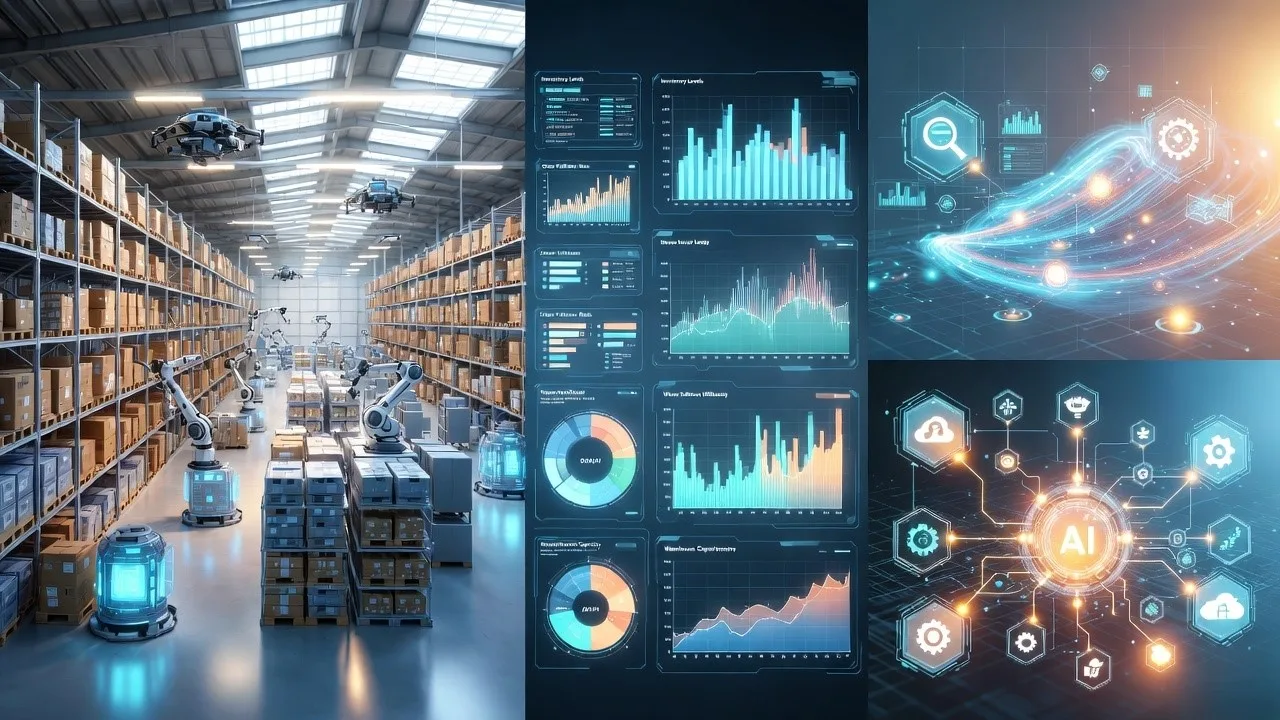
Industries Benefiting from Enhanced Data Processing
Every industry today runs on data; but not every business has learned how to use it well. Enhanced data processing, powered by AI, automation, and cloud computing, is changing that reality. It helps organizations turn scattered information into precise, actionable insights. From manufacturing to healthcare, companies that embrace smarter data processing are gaining a measurable competitive edge.
Let’s explore how this transformation is taking shape across industries, and what it means for the future of business.
1. Manufacturing: Smarter Decisions, Leaner Operations
In manufacturing, even minor inefficiencies can cost millions. Enhanced data processing allows companies to monitor production in real time, analyze equipment performance, and predict maintenance before breakdowns occur.
- Predictive maintenance: AI models trained on sensor data detect early signs of failure, reducing downtime.
- Quality control: Computer vision systems analyze thousands of product images per minute to identify defects.
- Energy optimization: Data-driven systems adjust power use dynamically to cut waste.
Factories using advanced data processing report improved production accuracy, lower waste, and faster delivery cycles.
2. Healthcare: Real-Time Insights for Better Outcomes
Healthcare generates vast amounts of unstructured data—clinical notes, lab results, imaging, and wearable health metrics. Enhanced data processing helps unify this information to support faster and more accurate decisions.
- Patient monitoring: Real-time data streams from wearables and hospital systems flag early warning signs.
- Diagnostics: AI models identify disease patterns in imaging data faster than manual review.
- Research: Data integration accelerates discovery by linking clinical trials, genetic data, and patient histories.
Hospitals that invest in better data pipelines can improve patient care while lowering costs through early detection and automated documentation.
3. Retail and E-commerce: Anticipating Customer Demand
Retailers depend on understanding customer behavior—and enhanced data processing is the foundation.
- Personalized recommendations: Machine learning algorithms process purchase history and browsing behavior to predict what customers want next.
- Inventory optimization: Real-time analytics align stock levels with demand patterns to prevent overstocking or shortages.
- Dynamic pricing: Systems analyze competitor prices, customer interest, and time of day to adjust prices instantly.
The result is a smoother customer experience and higher profit margins without adding manual effort.
4. Financial Services: Precision and Compliance
Banks, insurers, and fintech companies rely heavily on fast, accurate data handling. Enhanced data processing supports risk analysis, fraud prevention, and compliance reporting at scale.
- Fraud detection: AI analyzes transaction data to identify unusual patterns in milliseconds.
- Customer insights: Predictive models forecast client needs for tailored investment advice.
- Regulatory compliance: Automated systems track and organize documentation for audits and reporting.
In this sector, enhanced data processing translates directly to reduced risk, faster decisions, and stronger trust from clients and regulators.
5. Logistics and Supply Chain: Visibility Across Every Mile
Modern logistics depends on synchronization. Data processing brings transparency to complex supply networks.
- Fleet tracking: GPS and IoT data processed in real time optimize route planning and delivery times.
- Demand forecasting: Integrated analytics balance stock between warehouses and retail outlets.
- Incident response: Automated alerts trigger when routes, temperatures, or shipment statuses deviate from expected norms.
With these tools, logistics teams can move from reactive operations to proactive, predictive control—delivering goods faster and with fewer disruptions.
6. Energy and Utilities: Managing the Grid of the Future
The energy sector is shifting toward distributed and renewable models, and managing that complexity requires real-time processing.
- Smart grids: Data from connected meters helps utilities balance supply and demand instantly.
- Predictive forecasting: Weather and consumption models anticipate future power needs.
- Sustainability tracking: Carbon emissions data is collected and processed automatically for ESG reporting.
Enhanced data processing gives utilities the ability to stabilize operations while reducing waste and supporting clean energy initiatives.
7. Telecommunications: Performance and Personalization
Telecom operators handle petabytes of data daily—from network performance logs to customer interactions.
- Network optimization: AI systems process traffic data to prevent congestion and improve reliability.
- Customer retention: Predictive analytics flag customers likely to churn and suggest tailored retention offers.
- Infrastructure planning: Data visualization tools guide investment decisions based on usage patterns.
In a sector where milliseconds matter, data processing directly affects customer satisfaction and revenue.
8. Government and Public Services: Smarter Decisions, Greater Transparency
Public agencies manage diverse datasets—from citizen services to infrastructure and environmental monitoring.
- Policy analysis: Data processing uncovers patterns in social and economic indicators.
- Crisis response: Real-time analytics guide disaster relief and resource allocation.
- Transparency: Automated data aggregation supports public reporting and accountability.
Governments adopting data-driven frameworks can improve trust, efficiency, and service quality.
9. Pharmaceuticals: Accelerating Discovery
Drug development depends on massive datasets from research trials, labs, and patient feedback. Enhanced data processing shortens discovery cycles and increases accuracy.
- Clinical data integration: Automated systems merge trial data from multiple sites.
- AI-driven molecule screening: Models predict promising compounds faster than traditional methods.
- Regulatory readiness: Documentation and compliance data are auto-organized for review.
This shift not only saves time but also makes the process safer and more cost-effective.
10. Education: Personalizing the Learning Experience
In education, enhanced data processing helps institutions track performance and adapt learning paths.
- Student analytics: Real-time dashboards track attendance, engagement, and grades.
- Adaptive learning: AI tailors lessons to each student’s progress and learning style.
- Administrative automation: Data tools streamline reporting and compliance tasks.
As education becomes increasingly digital, data processing supports more responsive, individualized learning environments.
Why Enhanced Data Processing Matters
Enhanced data processing isn’t only about speed, it’s about clarity. Businesses gain a unified view of operations, customer behavior, and risk. AI systems refine that view continuously, turning every data point into a potential decision trigger.
The payoff includes:
- Shorter time to insight
- Lower operational costs
- Fewer manual errors
- Greater adaptability to change
Organizations that treat data as a living system, not just a stored resource, are better positioned to thrive in unpredictable markets.
Conclusion
From factory floors to hospital networks, enhanced data processing is redefining how industries function. It converts raw information into real-time intelligence and replaces manual workflows with automated, learning systems.
The industries that invest in this transformation today are not just improving performance, they’re setting the standards everyone else will follow tomorrow.
People Also Ask
Enhanced data processing uses advanced analytics, AI, and high-speed computing to transform raw data into actionable insights efficiently and accurately.
Industries like finance, healthcare, manufacturing, retail, logistics, and telecommunications gain improved decision-making, operational efficiency, and predictive insights.
It enables faster diagnosis, predictive patient care, optimized resource allocation, and advanced research insights.
Yes, it helps personalize customer experiences, forecast demand, optimize inventory, and enhance marketing strategies.
Leave a Reply